It has been an exciting and productive summer and fall season for ERI’s Ecology group, marked by fieldwork, conference participation, and the completion of several major projects before year’s end. From studying forest resilience to advancing cutting-edge monitoring techniques, the group continues to push forward research that informs restoration and management across the Southwest.
Key Research Projects
- Pinyon-juniper woodlands: Tracking structural changes driven by drought and bark beetle activity.
- Sunset Crater Penstemon: Monitoring long-term population trends and wildfire responses of this rare species, Penstemon clutei.
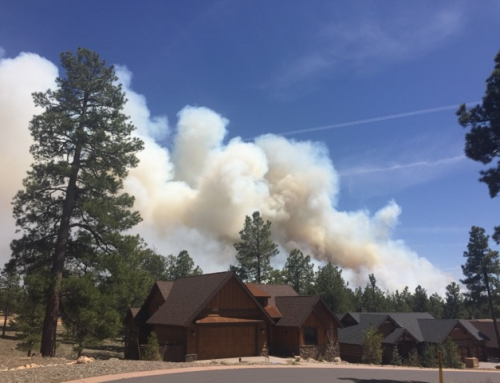
- Mixed conifer forests: Assessing wildfire effects in areas previously treated to meet restoration objectives.
- Fire history: Investigating historical fire sizes and modern management impacts on the fire deficit.
- Tree survival: Studying outcomes for small trees burned during prescribed and managed fires in 2024.
- Bryce Canyon collaboration: Partnering on fire monitoring data analysis and applying TLS/ mobile lidar in potential burn areas
Workshops & Conferences
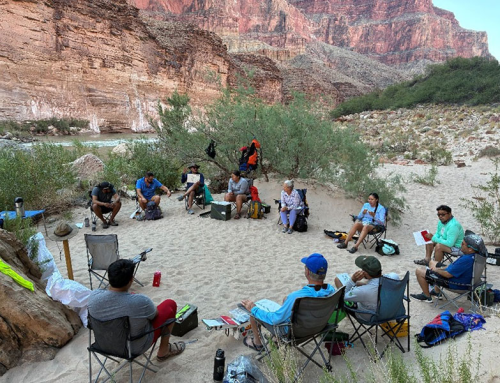
- Hosted a TLS and monitoring workshop in Albuquerque for the Bureau of Indian Affairs and tribal partners, expanding the use of TLS in fuels and forest monitoring.
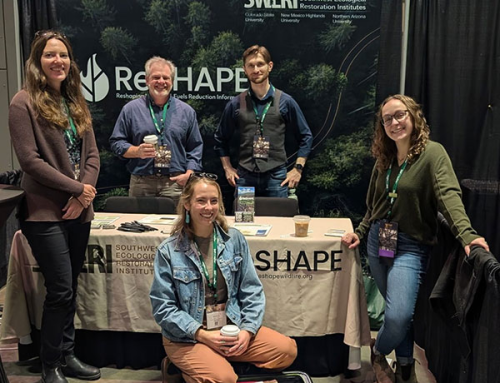
- Participated in and led sessions at the 17th Biennial Conference of Science & Management on the Colorado Plateau & Southwest Region, including a session on the ecology and management of pinyon-juniper woodlands in the Southwest.
- Presented a case study on using terrestrial laser scanning (TLS) in Arizona’s Mogollon Highlands and shared updates from the Southwestern TLS Community of Practice at the Society of American Foresters National Convention in Hartford, CT.
Undergraduate Student Research Highlights
- Identification of insects from pitfall trap collections, with data analysis underway.
- Field visits to Bristlecone pine plots on the San Francisco Peaks, collecting and analyzing regeneration data.
- Research on Penstemon clutei, including seed pod dissections and microscope work to study fire effects on seed production and plant size.
- Contributions to LiDAR projects through data processing, entry, and logistical support.
- Processing and dating dead wood samples from the Barney Springs study site.
- Continued annual photo monitoring at the Gus Pearson Natural Area, with permanent photo points retaken each year since 1995.